Maurice Steger | Recorder
Sebastian Bohren | Violin
***
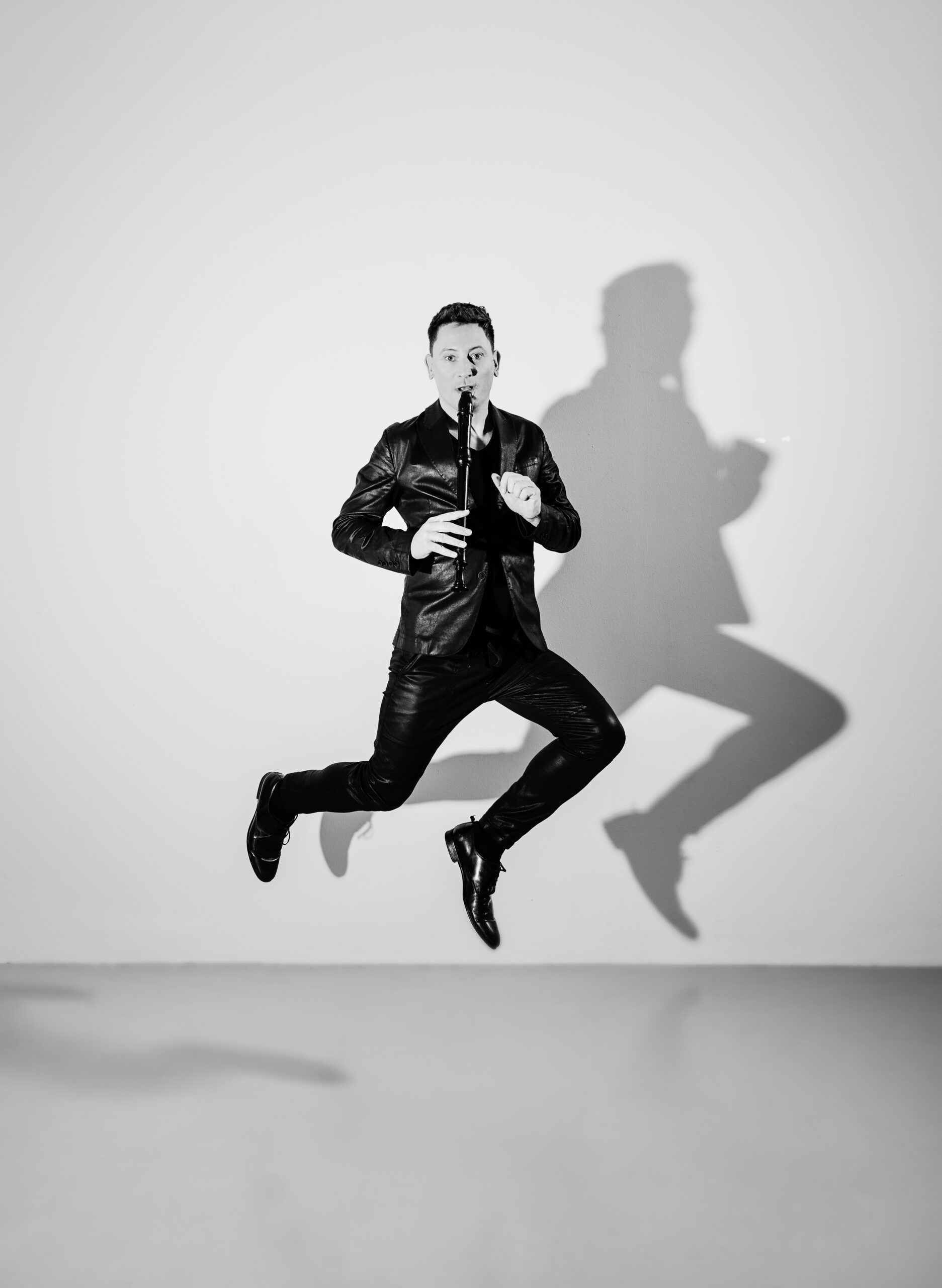
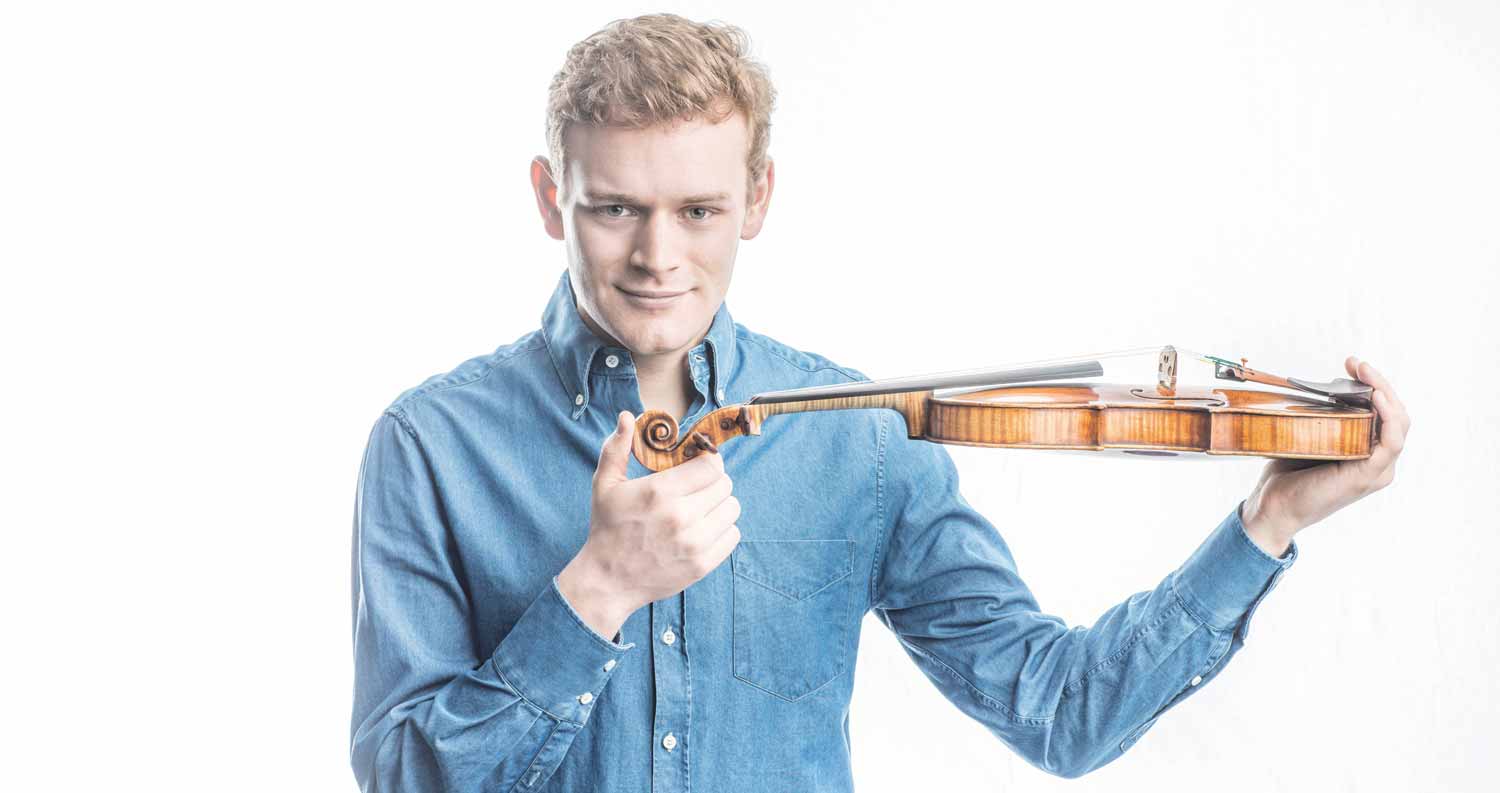
At the end of September 2026, a dream musical duo consisting of recorder player Maurice Steger and violinist Sebastian Bohren will be performing and teaching in Bhutan. There are plans to organize the main concert for and with the people of the region of Thimphu. In addition, workshops and meetings between the two musicians and schools, children, young people, concertgoers, and interested parties are planned:
- Workshop 1 | Topic: Melody – the fascination of a single note
As part of the game, we will try out, rehearse, and present melodies. I would like to find out how the lingm (Bhutanese flute) sounds in combination with the zhungdra. I would also be interested to hear what melodic changes can be heard and how these can be felt. In the following, I would like to contrast the Bhutanese melody with a traditional psalm melody from the 17th century, which is also strongly rooted in religion. The psalm was improvised and varied by the Dutch flutist Jacob van Eyck.
The sound of the Renaissance recorder bears similarities to Indian, Nepalese, and Bhutanese flute types, but the tonal system and melodic progressions differ markedly. Later on, we will listen to a slow and memorable excerpt from Bach’s Prelude for solo violin from the 6 Partitas and try to internalize this complex melody.
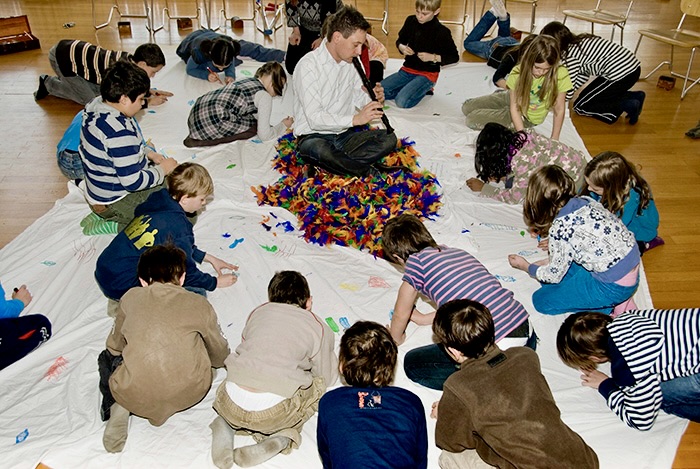
The question of whether the beauty of music is determined solely by its sound or by a defined tone interval with programmed changes in the melody cannot be answered conclusively. However, this is precisely the topic of this workshop. The Indian and Western musical traditions show such a discrepancy here that mutual stimulation and inspiration between the two cultures is to be expected.
The encounter between the two Western musicians and children and young people from the Paro and Thimphu area takes place in a larger community room on September 29, 10 am.
- Workshop with children and young people 2 | Topic: Music and nature – a fascinating connection
In both traditions, nature serves as an important source of inspiration, but the approaches differ fundamentally: Indian music integrates natural phenomena directly into its melodic system (e.g., with different ragas for specific times of day), while European music primarily describes nature or depicts emotional responses to it.
The recorder is one of the most direct, simplest, and nature-loving instruments in Early Western music. So it is not surprising that in the 17th and 18th centuries, birdsong was most often entrusted to the recorder. And once again we hear Jacob van Eyck, this time with his Angel Nightingale, as well as an excerpt from Antonio Vivaldi’s Gardellino (The Goldfinch) for the piccolo recorder.
And how does Felix Mendelssohn Bartholdy’s elfin violin melody sound in his famous Concerto in E minor? In The Lark Ascending by Ralph Vaughan Williams, he imitates the song and flight of a lark through high, floating registers and free, cadenza-like passages.
The two Western musicians‘ encounters with children and young people from the Thimphu area take place in a large community room. The workshops are accompanied by language support, and coordination with the teachers takes place in advance. September 29, 11.30 am.
***
Organized by: https://www.bhutan-switzerland.org/
Supported by: